Introduction: The Soul of a Warrior Nation
In Georgia, rugby is not just a sport; it is a spiritual successor to “Lelo Burti,” an ancient traditional game. As we stand in 2026, the Georgian national team, the “Lelos,” has evolved from a regional force to a global Tier-1 contender. This article analyzes the structural, physical, and psychological factors that have turned a small Caucasian nation into a rugby powerhouse that the world’s elite teams can no longer overlook.
The Analytical Perspective: From Scrums to Strategy
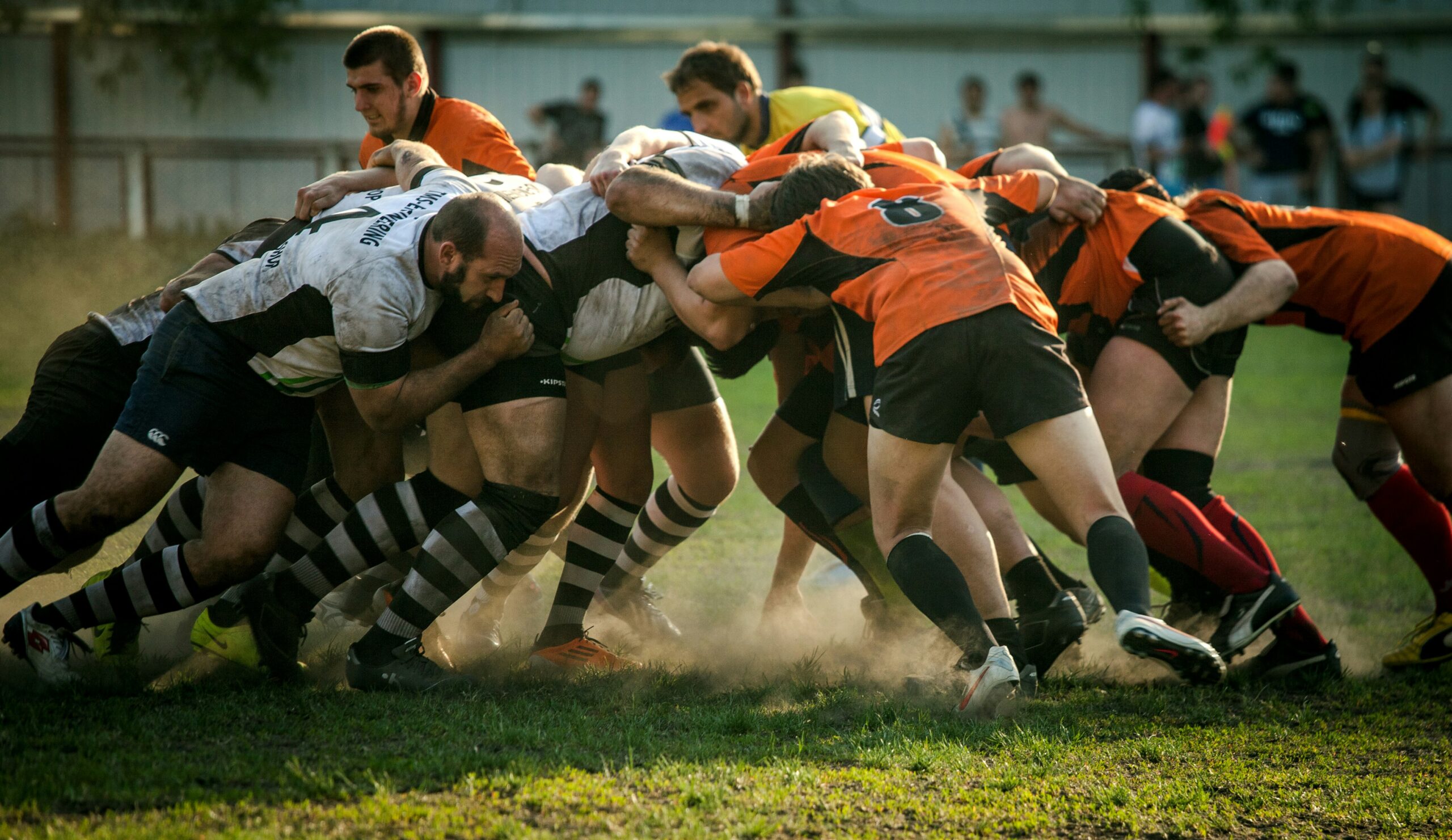
Historically, Georgia was known for one thing: a monstrously powerful front row. Our “scrum culture” was respected worldwide, but our backline play often lagged behind. My individual assessment is that the “Modernization of Georgian Rugby” began when we stopped relying solely on brute force and started investing in tactical flexibility.
From an analytical standpoint, the integration of high-performance coaches from the Southern Hemisphere and the establishment of the “Black Lion” franchise have been game-changers. By giving local players consistent exposure to professional-level competition outside the traditional World Cup cycle, Georgia has bridged the “experience gap.” Today, a Georgian rugby player is as comfortable in a fast-paced open-field transition as he is in a set-piece scrum.
The “Six Nations” Debate: A Critical Evaluation
The most debated topic in 2026 remains Georgia’s place in the European elite. My personal analytical opinion is that the current “closed-shop” nature of the Six Nations is a hindrance to global rugby growth. Georgia has consistently beaten Tier-1 nations, and the data shows that the “Lelos” have a higher competitive ceiling than some current members of the tournament.
However, I believe Georgia has played a “strategic masterstroke” by not just waiting for an invitation but by building its own competitive ecosystem. The development of world-class stadiums and the massive increase in broadcasting rights for Georgian matches show that the “Rugby Economy” in Georgia is self-sustaining. We are no longer begging for a seat at the table; we are building our own table.
Case Study: The Influence of the French “Legion”
One cannot discuss Georgian rugby without mentioning the influence of the French Top 14. For decades, France has been the finishing school for Georgian forwards. My observation of this trend suggests a “reverse technology transfer.” Our players go to France, master the professional nuances of the game, and bring that knowledge back to the national team. This has created a hybrid style—French tactical discipline blended with Georgian raw aggression.
Conclusion: A Legacy of Power
In conclusion, the story of Georgian rugby is one of patience and persistence. It is a sport that perfectly aligns with the Georgian character—resilient, proud, and collective. As the “Lelos” continue to climb the World Rugby rankings in 2026, they serve as a blueprint for other developing nations. The message is clear: tradition is the foundation, but innovation is the engine of success.