The View from the Balcony
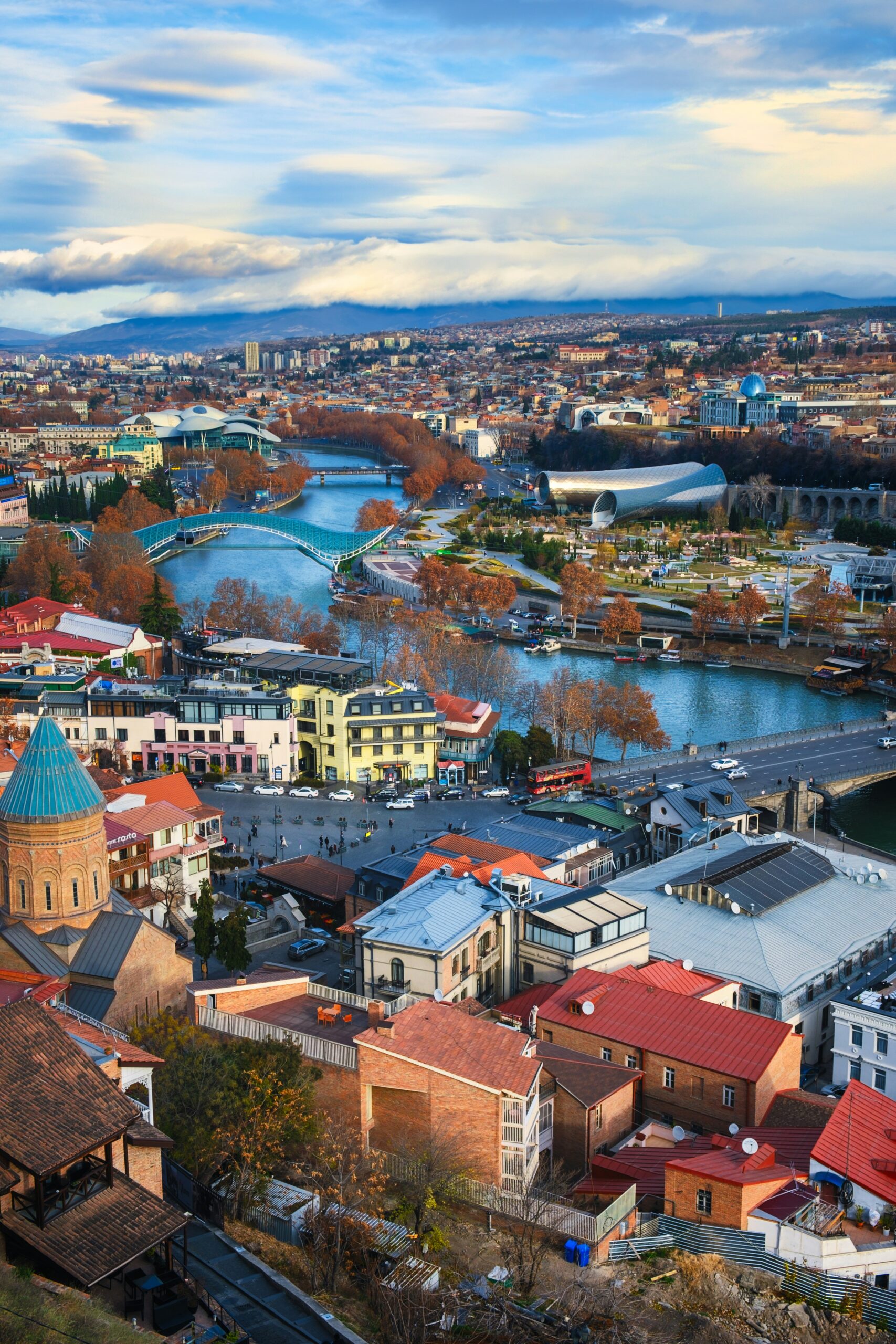
If you’ve spent even a few days in Tbilisi recently, you’ll notice one thing above all else: the sound of construction. From the towering glass skyscrapers in Saburtalo to the luxury renovations in Old Tbilisi, the city is undergoing a radical transformation. As someone living in the heart of this change, I find myself constantly asked by foreign friends and investors: “Is it still a good time to buy?”
The answer isn’t as simple as a “yes” or “no.” While the numbers suggest a gold mine, the reality on the ground reflects a market that is maturing, shifting, and facing its own set of growing pains.
The Post-Pandemic Surge: What Really Happened?
To understand where we are in 2026, we have to look back at the unprecedented surge of 2022-2024. Georgia became a unique safe haven during geopolitical shifts, leading to a massive influx of capital. Rental yields in Tbilisi hit double digits—numbers that are almost unheard of in Western Europe or North America.
But here is my personal observation: that “easy money” phase is ending. We are moving from a speculative market to a value-driven one. In the past, you could buy almost anything and see it appreciate. Today, the modern buyer is more sophisticated. They aren’t just looking for four walls; they are looking for “lifestyle assets”—energy efficiency, smart home integration, and, most importantly, green spaces.
The “Concrete Jungle” Problem
One of the biggest critiques I have of the current development trend is the lack of urban planning. We see massive residential complexes rising in areas where the roads can barely handle current traffic. As an analyst of local trends, I believe this is where the market will split.
Projects that prioritize density over livability will likely see their value stagnate. On the other hand, developments that incorporate parks, pedestrian zones, and sustainable materials are where the real long-term growth lies. We are seeing a shift in demand toward the outskirts—places like Lisi, Tskneti, or even the suburban stretches of Didi Dighomi—where people can actually breathe.
Beyond Tbilisi: The Batumi and Kutaisi Factors
While Tbilisi is the crown jewel, we cannot ignore the “Batumi Effect.” The coastal city has become a playground for international hotel brands. However, from my perspective, Batumi faces a risk of oversupply in the mid-tier segment. The real opportunity there has shifted to ultra-luxury branded residences which offer professional management.
Then there’s Kutaisi. With the expansion of the international airport and its growing role as a logistics hub, I predict Kutaisi will be the “dark horse” of Georgian real estate over the next five years. It’s currently undervalued, and for a savvy investor, it offers a much lower entry point with high upside potential as the country’s infrastructure improves.
The EU Candidacy and Legal Transparency
The biggest driver for the 2026-2030 period is Georgia’s path toward the European Union. This isn’t just political talk; it has practical implications for real estate. We are seeing stricter construction regulations and better protection for consumer rights.
In my opinion, this transparency is the best thing that could happen to the market. It filters out “ghost developers” and ensures that when an expat buys an off-plan apartment, it actually gets finished.
Verdict: A Market for the Patient
So, is it a bubble? I don’t think so. A bubble usually lacks underlying demand. In Georgia, the demand is driven by a genuine housing shortage, a growing tourism sector, and a regional shift toward digital nomadism.
However, the days of “buying blind” are over. If you are looking at the Georgian market today, my advice is to look for quality over quantity. Focus on projects that respect the environment and the city’s heritage. The gold is still there, but you have to be willing to dig a little deeper to find it.