The Post-Mass Tourism Era
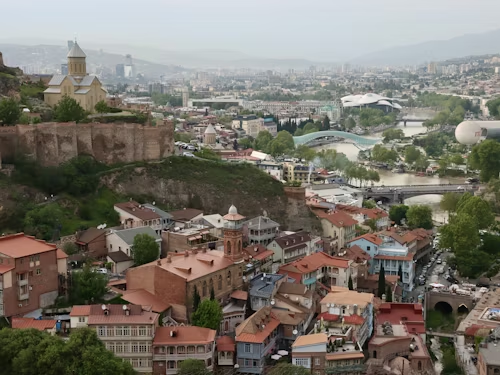
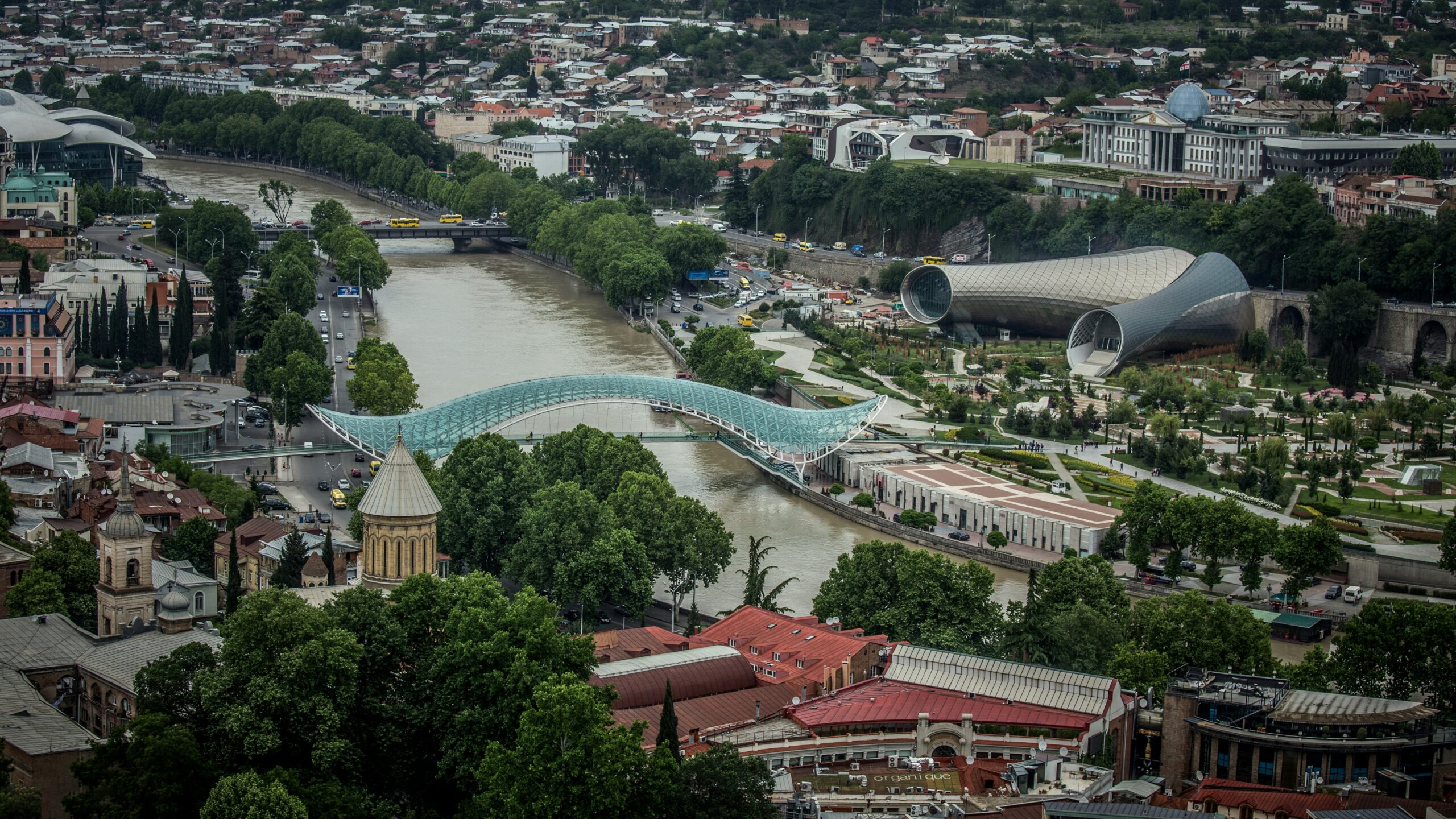
For years, the success of Georgia’s tourism sector was measured by a single metric: the number of international arrivals. We cheered when the numbers hit record highs, but as a local observer, I began to notice the cracks in this “mass tourism” model. Crowded streets in Old Tbilisi, strained infrastructure in Stepantsminda, and a “budget destination” tag that didn’t always reflect the true value of our heritage.
As we move through 2026, I believe Georgia is at a pivotal turning point. We are finally shifting our focus from simply attracting more people to attracting the right kind of travelers—those who value authenticity, sustainability, and premium experiences.
The Rise of “Slow Travel” in the Caucasus
One of the most exciting trends I’ve witnessed is the rise of “Slow Travel.” Visitors are no longer interested in checking ten churches off a list in two days. They want to spend a week in a village in Upper Svaneti, learning traditional woodcarving or participating in the grape harvest in Racha.
From my perspective, this shift is a massive win for the local economy. Slow travelers stay longer, spend more in family-owned guesthouses, and create a more stable income for rural communities. This isn’t just a trend; it’s a necessary evolution to protect our culture from being “commodified” for quick photo ops.
Eco-Luxury: A New Frontier
Georgia has something that Western Europe has largely lost: true wilderness. We are seeing a surge in “Eco-Luxury” developments—boutique hotels built with sustainable materials that offer five-star comfort in the middle of nowhere.
I recently analyzed the growth of glamping and boutique mountain retreats in regions like Adjara and Kakheti. The data is clear: high-net-worth travelers are willing to pay a premium for isolation and purity. My take is that Georgia should position itself as the “Switzerland of the East,” but with a more raw, untamed soul.
The Digital Nomad Integration
We’ve talked about nomads in the context of tech, but they are also a pillar of our modern tourism industry. Unlike traditional tourists, nomads live like locals. They go to the gym, they use coworking spaces, and they frequent neighborhood cafes.
However, I believe we are missing a trick here. To truly capitalize on this, we need better regional connectivity. If a nomad can have high-speed fiber internet and a reliable power grid in a renovated house in Guria or Imereti, we can decentralize our tourism economy and breathe new life into dying villages.
Sustainability: More Than a Buzzword
As someone who loves our national parks, I am concerned about the environmental impact of unchecked growth. The 2026 traveler is environmentally conscious. They look for “plastic-free” initiatives and carbon-neutral stays.
In my opinion, the government and the private sector must collaborate on “Green Certifications” for Georgian tourism businesses. If we don’t protect our glaciers and forests today, we won’t have a tourism industry tomorrow. Sustainability is the best insurance policy for our economy.
Final Verdict: The Boutique Nation
My conclusion for ambebi.space is that Georgia’s future lies in being a “Boutique Nation.” We cannot, and should not, compete with giants like Turkey or Greece in mass-market “all-inclusive” tourism. Our strength is in the unique, the ancient, and the personal.
If we focus on high-value, low-impact tourism, 2026 will be remembered as the year Georgia stopped being just a “cheap destination” and started being a global benchmark for authentic travel.